Agriculture
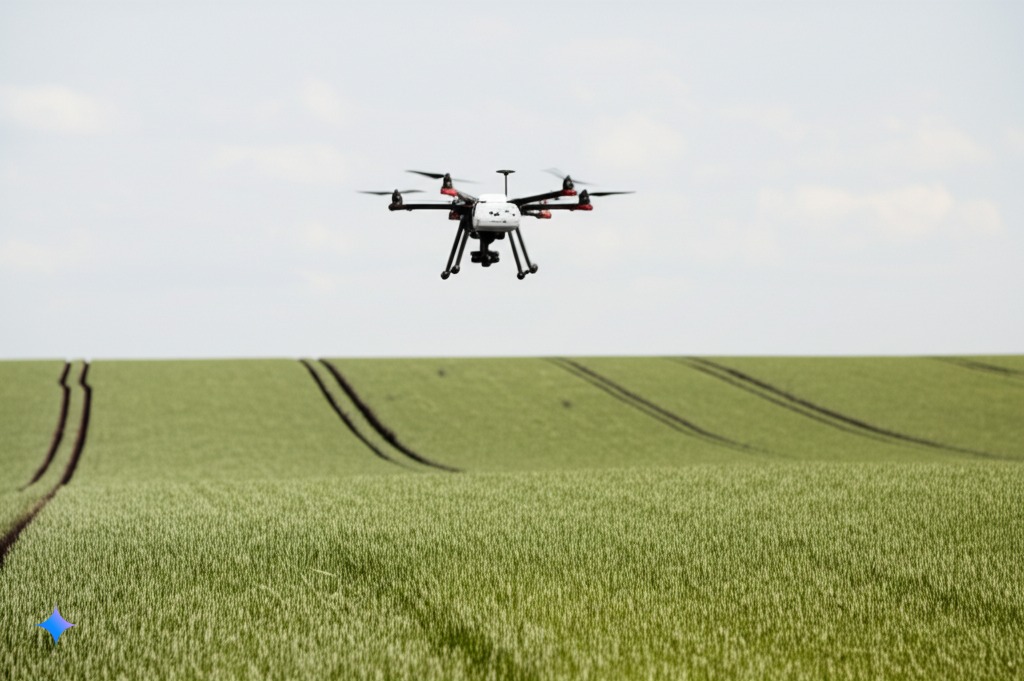
Shropshire is one of England's most productive agricultural counties. Harper Adams University, sitting in the county, is internationally recognised for agri-tech research.
AI applications across precision farming, livestock monitoring, supply-chain forecasting and farm management are mature enough to deploy and underexplored at the working-farm level.
Early conversations have begun with Shropshire-based agricultural consultancy networks. The route through to a credibility anchor like Harper Adams is the longer-term ambition.
Local business & tourism
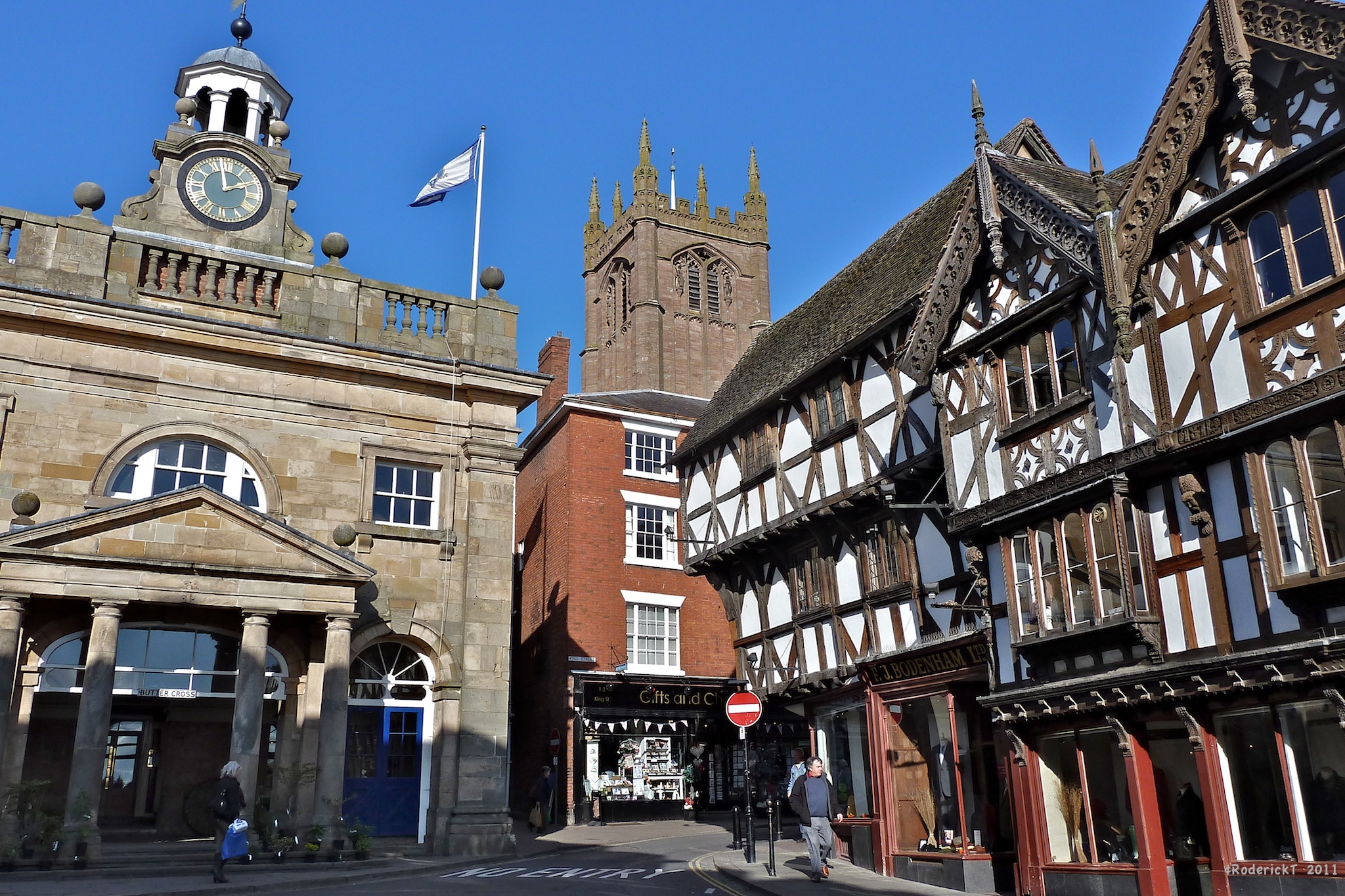
Shrewsbury, Ludlow, Oswestry, Bridgnorth and Market Drayton between them host thousands of independent businesses across hospitality, retail, services and the makers economy.
Place partnerships and business support organisations in each town are natural anchors. AI tools for customer engagement, operational efficiency and small-business productivity have clear adoption routes.
The rural independent economy is exactly the kind of underserved segment that national funding programmes are now designed to reach.
Heritage & culture
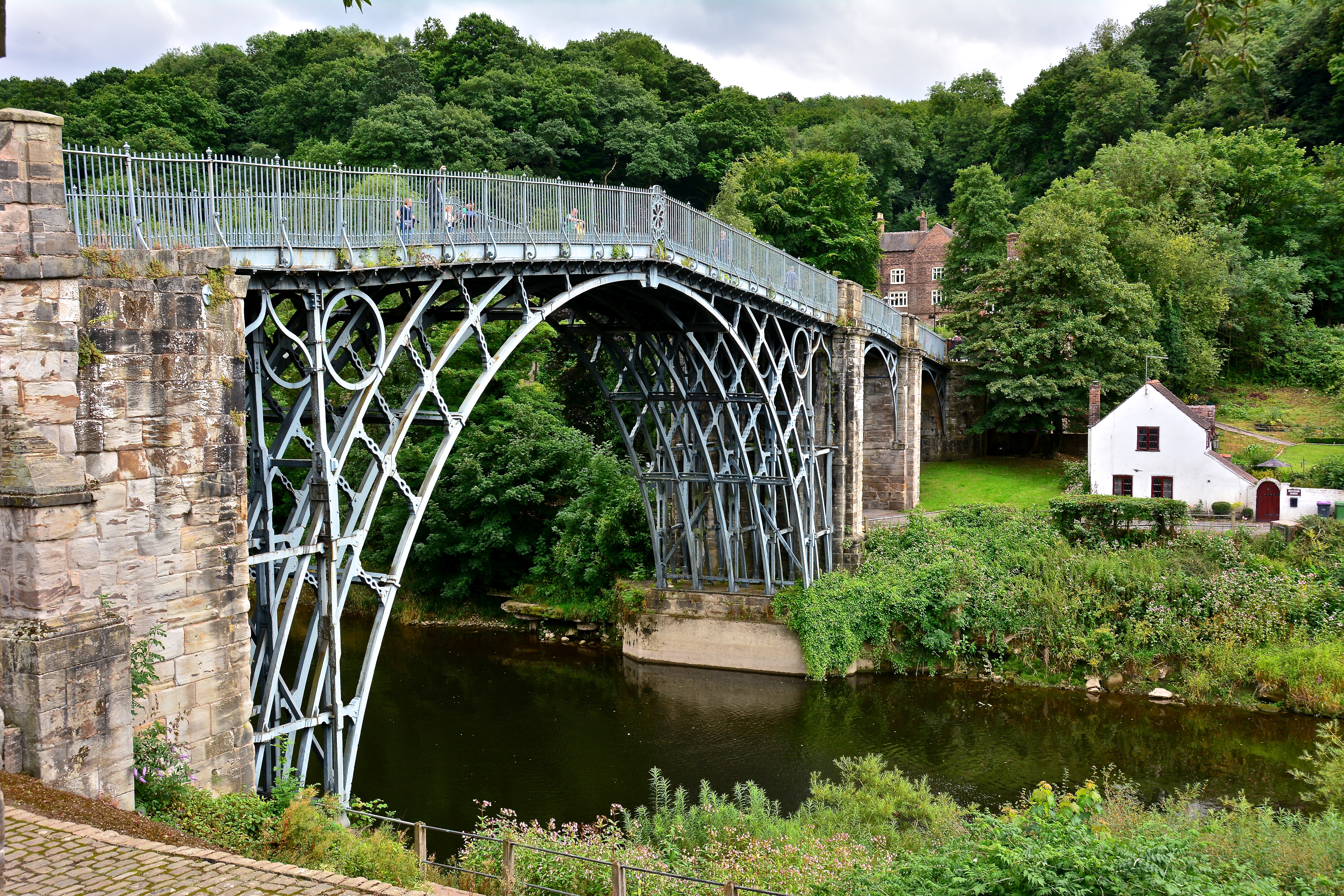
Ironbridge, Darwin, Shrewsbury Abbey, Ludlow Castle, Stokesay, the Shropshire Hills. Few counties have a heritage offer this dense.
AI applications in interpretation, accessibility, archive digitisation and visitor engagement are emerging fast and would benefit from a coordinated regional approach rather than fragmented institutional efforts.
Heritage trusts, English Heritage sites and the county's museum service all sit naturally inside this strand.
Public sector
Shropshire Council, Telford and Wrekin Council, NHS Shropshire, Shropshire Fire and Rescue, parish councils. All facing the same productivity and service-delivery pressures that AI tools are now being deployed against in larger authorities.
The council route is also where the link to MHCLG Local AI funding sits cleanly — the natural home for council-facing work.